
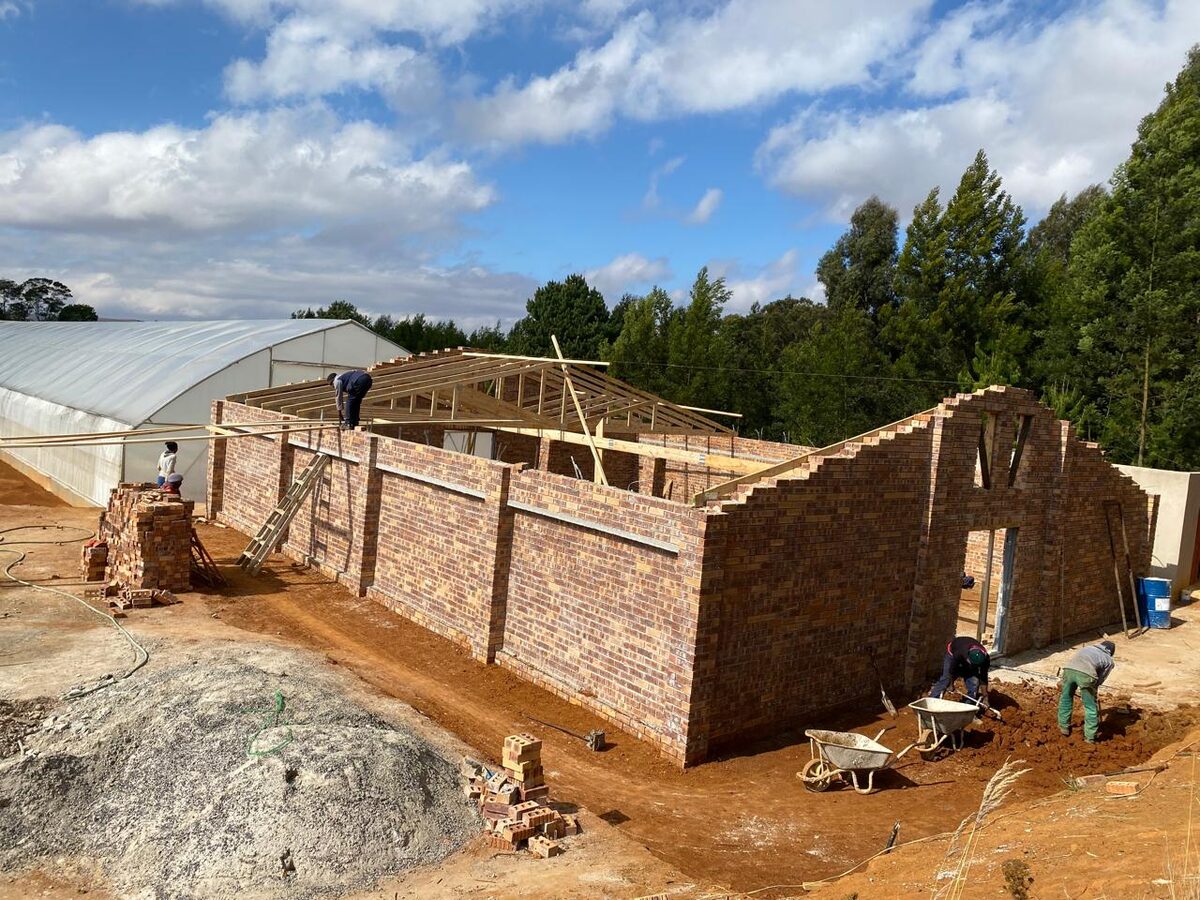
When we started Ezulwini Africa, the idea was never just to grow lettuce.
Yes, we grow lettuce. We grow herbs, cucumbers, microgreens, edible flowers and fresh produce. We are building aquaponic farms. We care about water, food, systems and sustainability.
But that is not the real reason Ezulwini exists.
The real reason is simple: we believe farming can create proper change in South Africa — but only if the farms actually work.
That part sounds obvious, but it gets missed all the time.
There are many farming projects that start with good intentions. There is funding. There is land. There is a launch. There are photos. Everyone talks about jobs, food security, skills development and community upliftment.
Then a few years later, the project is struggling or dead.
Not always because people did not care. Often because the model was never built properly in the first place.
A farm does not survive on good intentions. It survives on daily discipline, systems, training, market access, cash flow, leadership, and people who know what needs to happen every single day.
That is the problem myself, Mitch, Matt, Steven and the Ezulwini team are trying to solve.
We are not trying to build a nice-looking project.
We are trying to build farms that last.
The farm exposes everything
Farming is honest. Sometimes brutally honest.
If your systems are weak, the farm shows you.
If your team is not trained properly, the farm shows you.
If your crop planning is wrong, the farm shows you.
If your market is unclear, the farm shows you.
If your leadership is inconsistent, the farm shows you.
You cannot hide from the farm.
Our Dullstroom farm has been our classroom. It has taught us more than any business plan ever could.
We started with an idea. Then we had to build. Then we had to become farmers. Then we had to understand production. Then we had to understand the market. Then we had to go back and rebuild parts of our thinking again.
That is how it should be.
A business model that never changes probably has not been tested properly.
Steven has been a big part of that journey on the farm. The daily work, the team, the harvests, the mistakes, the pressure, the small wins — that is where the real learning happens. Not in a boardroom. On the ground.
Because farming is not one thing.
It is water. It is plants. It is people. It is pests. It is pumps. It is harvest timing. It is packing. It is buyer communication. It is stock availability. It is staff showing up properly. It is small details, every single day.
And if those details are not managed, the whole thing starts to slip.
Why aquaponics fits the model
Aquaponics is part of our answer, but I don't want to dress it up as magic.
It is not magic.
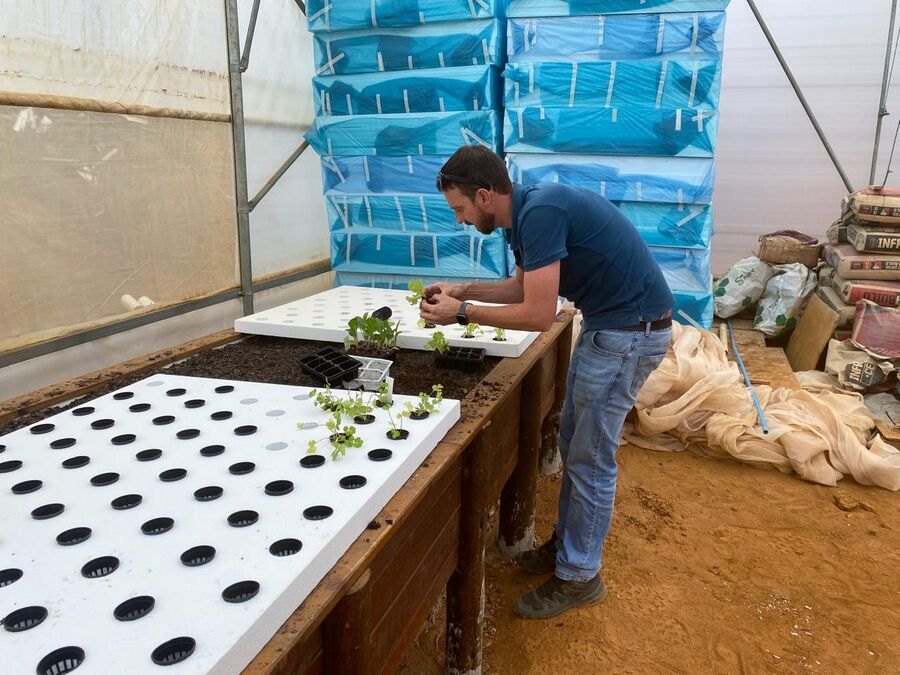
Aquaponics gives us a more controlled, measurable environment where water, nutrients, fish, plants and people all have to work together. When done properly, it can be water-smart, productive and repeatable.
But the real value for us is discipline.
You have to check the water.
You have to watch the plants.
You have to keep records.
You have to respond quickly.
You have to train people properly.
You cannot just hope things sort themselves out.
That makes it a strong training platform.
It also gives us a better chance of building systems that can be repeated on future farms.
Not aquaponics for the sake of aquaponics.
Aquaponics as a platform for production, training, market access and ownership.
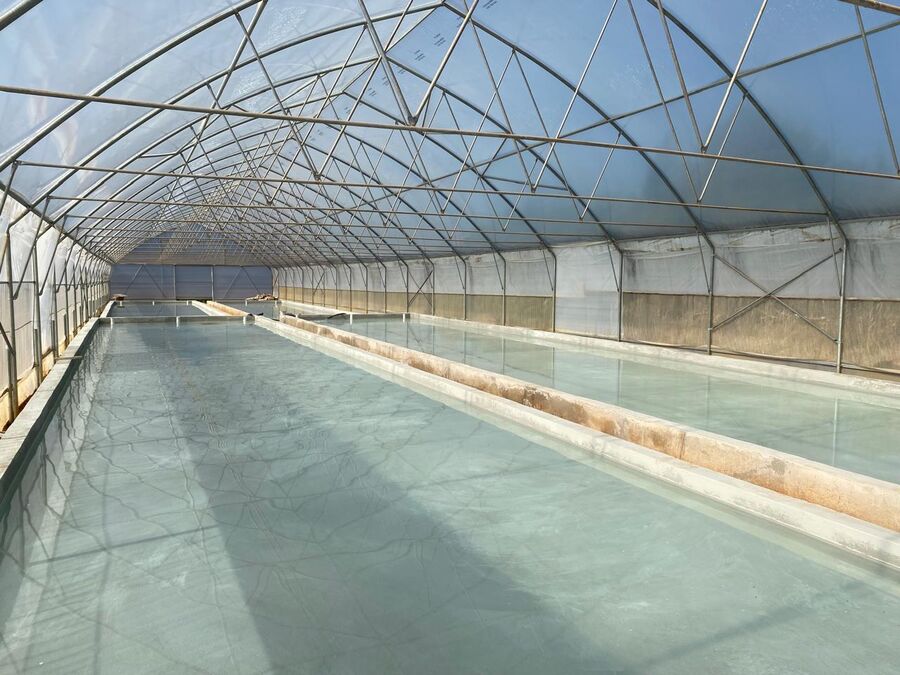
Learn more about our farm model →
Market access cannot come later
One of the biggest mistakes in farming development is treating market access as something you sort out after the farm is built.
That is backwards.
The market should guide the farm from the beginning.
What does the customer actually want?
What quality do they expect?
What pack size works?
How often do they need supply?
What happens when stock is limited?
How do we communicate properly each week?
If you do not understand this, you are not building a farming business. You are just growing produce and hoping someone buys it.
At Ezulwini, market access is central to the model.
We want to grow good produce, yes. But we also need to build trust with restaurants, retailers, distributors, fresh produce buyers and food-service customers.
That trust is built weekly through quality, honesty, consistency and communication.
See what we grow → · For produce buyers →
This must be commercial
Ezulwini is purpose-driven, but it is not charity.
That is important.
If a farm cannot become commercially viable, the impact will not last. Jobs become fragile. Training becomes fragile. Ownership becomes fragile. The whole thing becomes dependent on the next grant, the next donor, or the next rescue plan.
That is not what we want to build.
We want farms that can produce, sell, employ, train and improve.
We want young farmers to have a real path into commercial agriculture, not just a photo opportunity.
We want funders and corporate partners to support projects that are still standing years later.
Impact without commercial discipline does not last.
Commercial farming without impact misses a massive opportunity.
Ezulwini sits in the middle of those two things.
For funders and investors → · For landowners and partners →
What we are really building
The bigger vision is not one farm.
The bigger vision is a network of supported farms.
Farms that produce fresh local food.
Farms that create jobs.
Farms that train people through real work.
Farms that are connected to buyers.
Farms that use systems and data.
Farms that give young black farmers a real ownership pathway.
Farms that are not abandoned after the launch.
Dullstroom is the start.
Hekpoort is part of the next chapter.
The future is a network of Ezulwini-linked farms that can be supported, measured, improved and connected to market.
We are still early. We are still learning. We are still solving hard problems.
But the direction is clear.
Build farms that work.
Train people properly.
Create market access.
Systemise the operation.
Support the team.
Measure the results.
Keep showing up.
That is why we started Ezulwini Africa.
Create Change Through Farming.
Work with Ezulwini Africa
If you are a fresh produce buyer, restaurant, retailer, distributor or food-service business, request our weekly availability list.
If you are a funder, investor, DFI, bank, corporate or foundation looking for practical agricultural impact, we should talk.
If you are a landowner or development partner looking to build a productive farm platform, reach out.
And if you are a young person who wants to learn farming through real work, discipline and accountability, follow the journey.