There was a moment at Ezulwini that changed the way I think about systems on the farm.
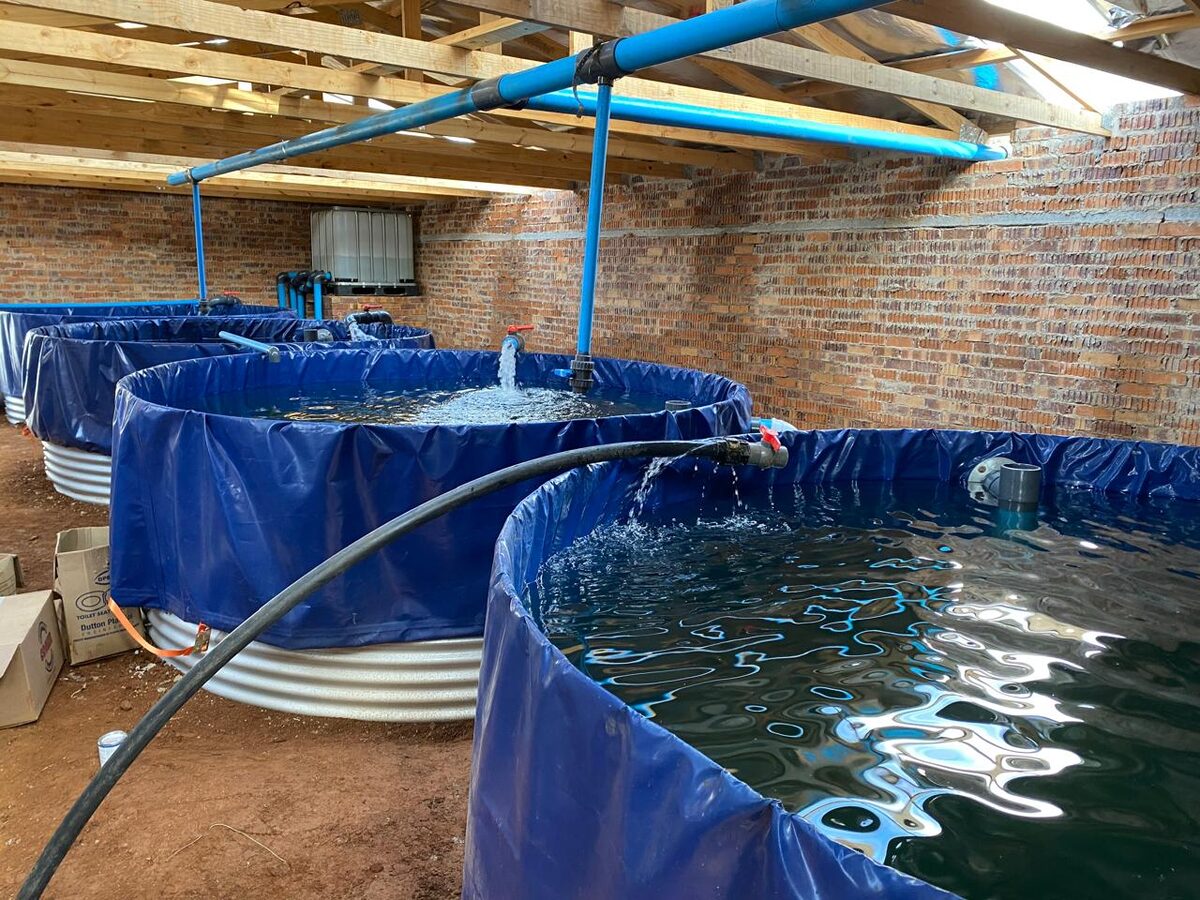
At the time, we had around 8,000 trout in our system. They were healthy, feeding well and properly looked after. The team had a feeding schedule that explained how much to feed, when to feed, and what needed to happen before and after feeding. The problem was that most of that process lived on a whiteboard and in people's heads.
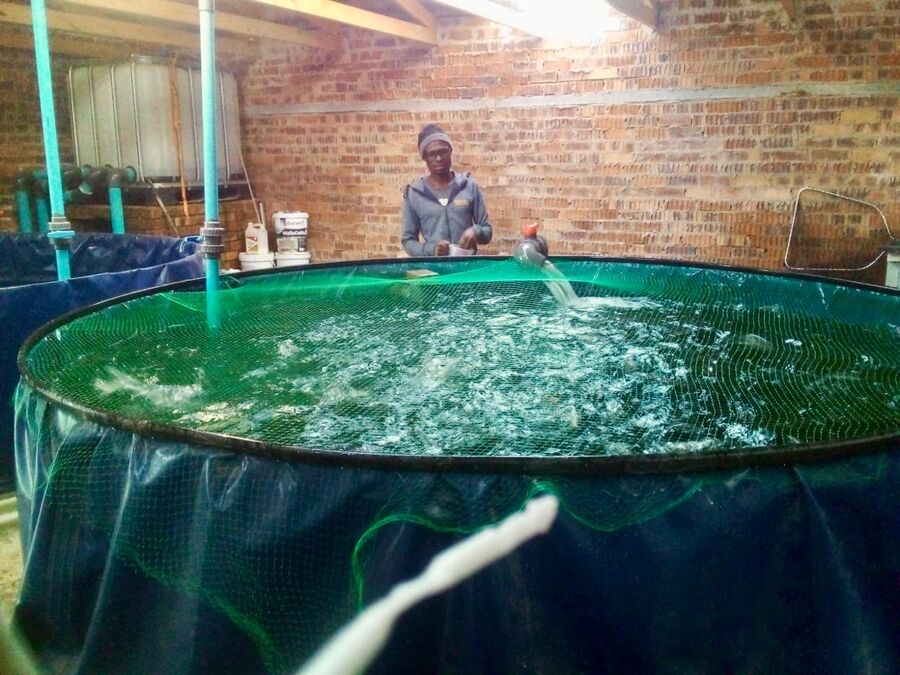
One evening, Sipho was on duty. Around 7pm, he went to the fish shed, weighed out the feed and started the normal feeding process. In those days, we used to switch off the aeration while feeding because the water surface was too disturbed to properly see if the fish were eating.
Sipho fed the fish, but he forgot to turn the aeration back on.
By the next morning, the fish were dead. Around 8,000 trout gone.
A lot of people would have lost it. They would have shouted, fired someone and thought the problem was solved. But that would not have fixed the real issue.
Yes, Sipho made the mistake. But the bigger failure was the system. The process relied too much on memory. It relied on one person remembering every step, at the right time, at the end of a long day, with no proper built-in protection.
That moment stuck with me. If a mistake can happen once, and the system allows it, then it can happen again. So the question cannot only be, "Who messed up?" The better question is, "How do we make sure this cannot happen quietly again?"
That is where systemising the farm starts.
Farming is in the detail
From the outside, farming can look simple. Plant something, water it, harvest it and sell it. But once you are inside the farm every day, you realise very quickly that the outcome of a crop is shaped by hundreds of small details.
Growth rates, water quality, nutrient availability, temperature, pest pressure, crop timing, maintenance, harvest planning, packing, buyer demand and team habits all play a role. None of these things sit on their own.
If growth slows down, there is normally a reason. Something has changed. The plant is telling us something, the water is telling us something, or the system is telling us something. Our job is to notice it early enough to do something about it.
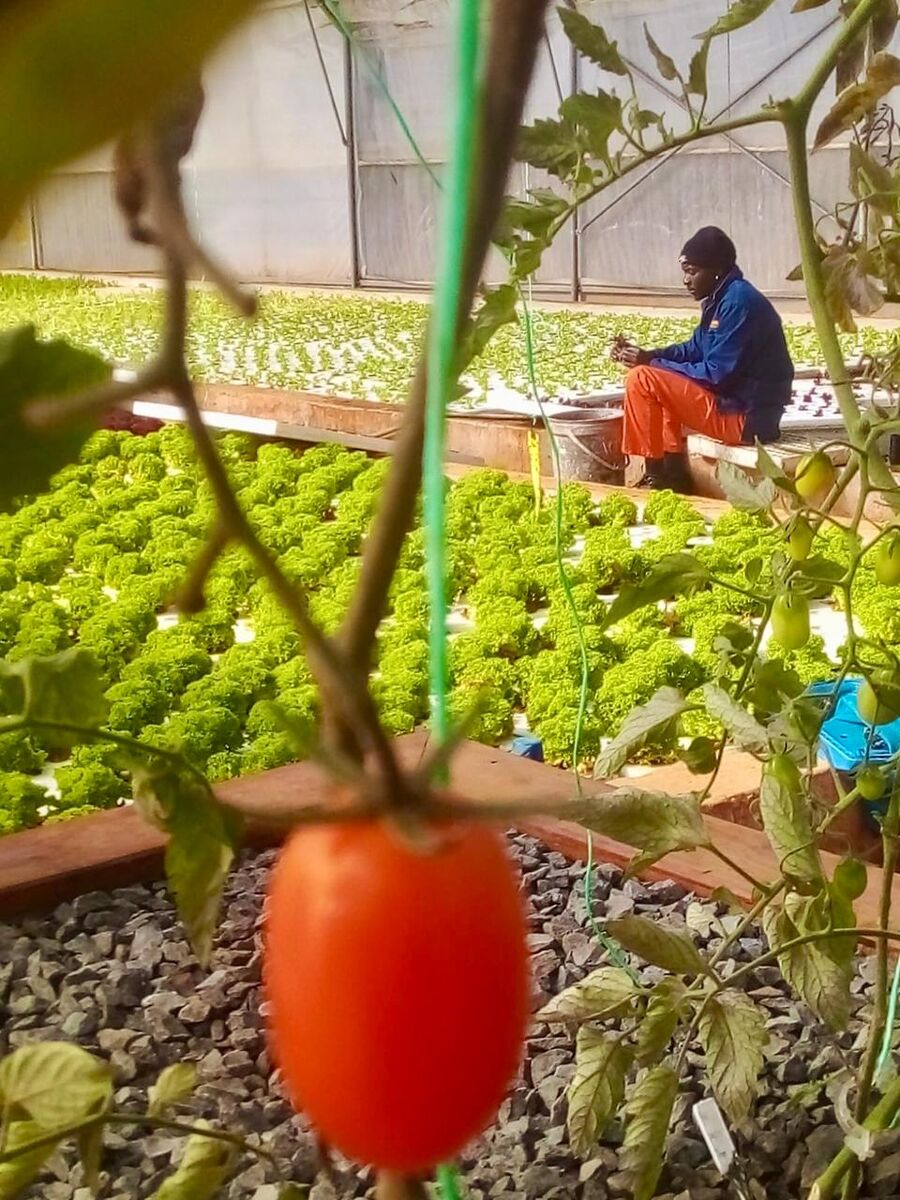
Aquaponics gives us a strong platform because so much of the system can be measured. We can start to understand the relationship between water, nutrients, fish, plants and people. We can compare conditions, look at growth, understand patterns and make better decisions.
But data on its own does not solve anything. The team still needs to know what to check, when to check it, and what action to take.
Systems support people
I do not see systems as something that replaces people. I see them as something that protects people and protects the farm.
On a farm, important tasks happen hourly, daily, weekly and monthly. Propagation, transplanting, harvesting, pest checks, water checks, nutrient tracking, dosing, crop observations, maintenance, cleaning, packing, orders and stock movement all need to happen properly. If those tasks live only in someone's head, things will get missed.
So we have had to make the work visible. The team needs to know what must happen, what has been done, what is late and what needs attention. Management needs the same view. Not because we want to micromanage people, but because the farm cannot rely on memory and hope.
This also changes how we deal with mistakes. Most people's natural protection is to say, "I don't know what happened." That is human. People protect themselves when they think a mistake will get them into trouble.
But if we never understand what happened, we can never fix the future.
That has been a big part of the journey at Ezulwini. We need to understand how something happened, why it happened and what needs to change so it does not happen again. The aim is not to blame. The aim is to build a farm that gets stronger every time something exposes a weakness.
Using AI to understand the moving parts
Agriculture has a lot of moving parts. The plant, the water, the team, the weather, the system and the market all affect each other. Sometimes the hard part is not collecting information, it is understanding what the information is actually telling you.
That is where AI is becoming useful for us.
Not as a gimmick, and not because we want to make farming sound clever. We use AI to help us connect the dots, ask better questions, spot patterns and understand how the different pieces of the farm affect each other.
If growth rates change, we want to understand why. If pest pressure increases, we want to see it earlier. If a crop performs better under certain conditions, we want to know what changed. If the same task keeps getting missed, we want to fix the system instead of just blaming the person.
That is how farming becomes more repeatable.
Why this matters beyond Dullstroom
The goal is not only to make Dullstroom work. The goal is to build a model that can be repeated.
If Ezulwini works with another farm, that farm should not just get infrastructure and good intentions. It should get systems, training, data, market thinking and ongoing support. That is what gives a farm a better chance of working.
Better systems create more consistent production. More consistent production gives buyers confidence. Buyer confidence supports offtake agreements. Offtake agreements support funding. Funding supports growth.
That is the engine we are building.
We do not want to build and walk away. That model has failed too many times. Our role is to walk the road with the farms we are involved in: help systemise the work, train the people, understand the data, connect the crop to the market and keep improving the operation.
Because farming is not one big moment. It is the small things, done properly, every day.
Create Change Through Farming.